
Seven Adobe Apps, Rebuilt in Rust by One Developer, With AI Help
One developer rebuilt seven Adobe apps in Rust with Anthropic's Claude and released the suite free as ArtCraft. The patents question is open.

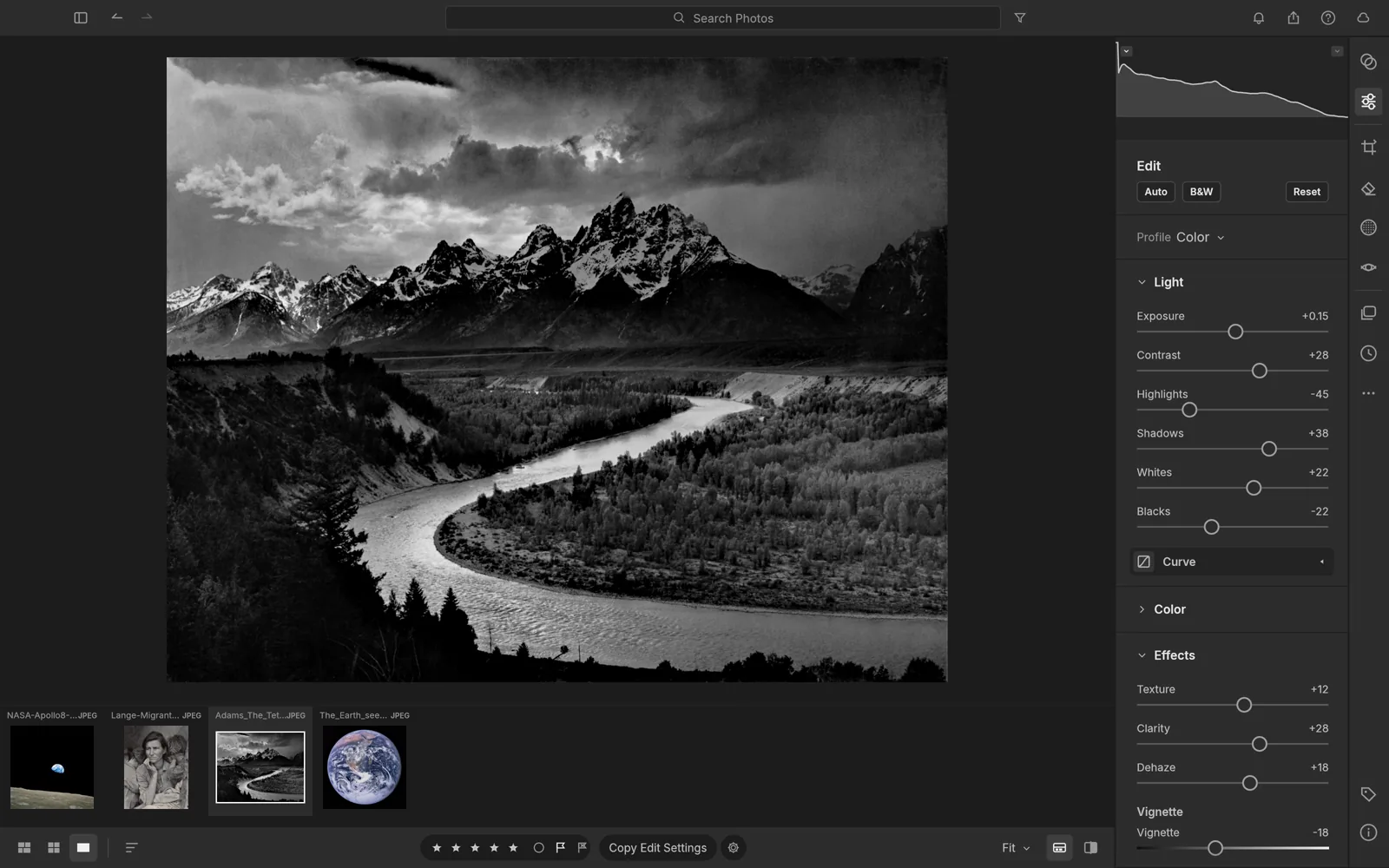
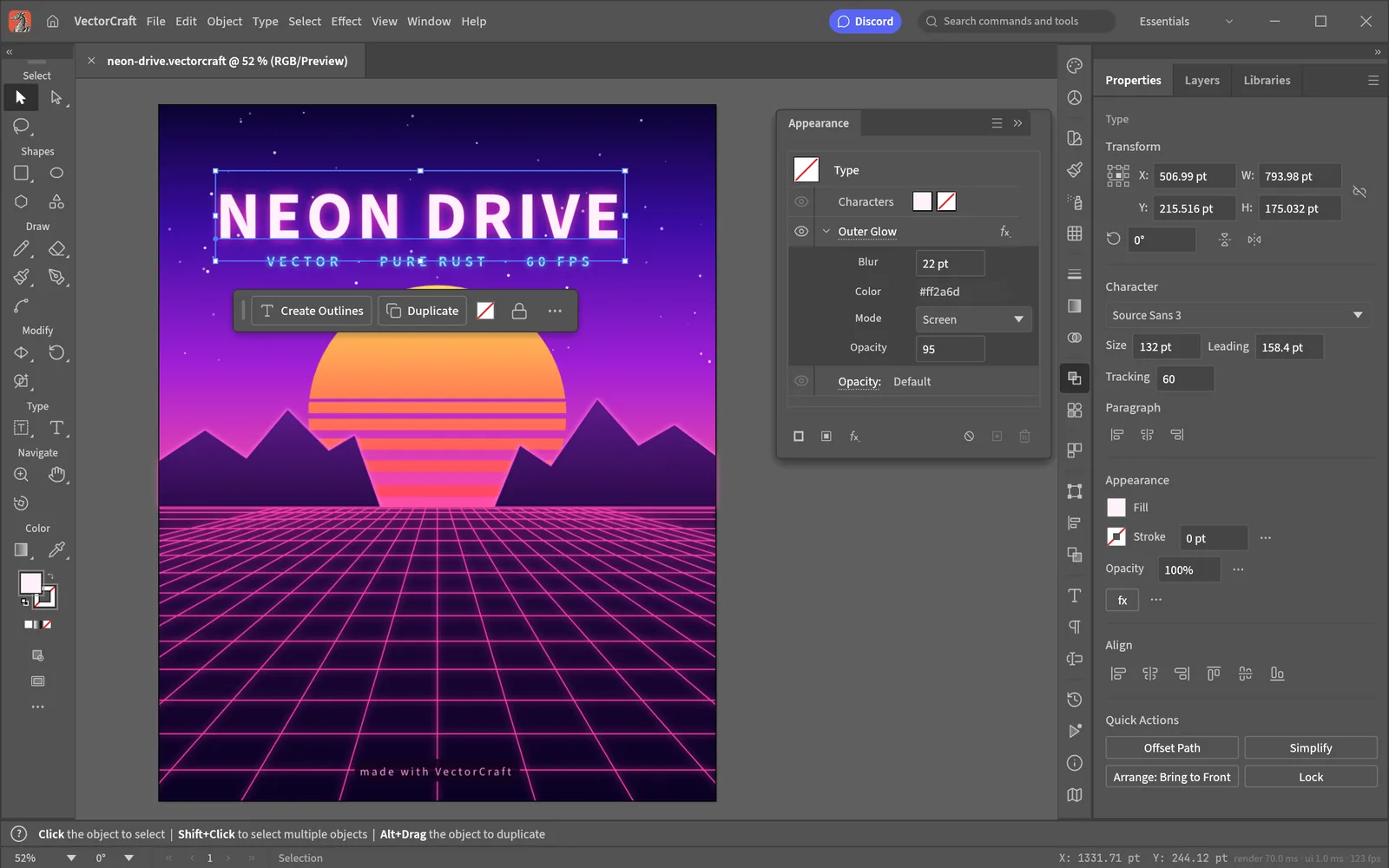
Brandon Thomas has released a free, open-source alternative to Adobe’s Creative Cloud: seven applications rebuilt from scratch in Rust, with Anthropic’s Claude Opus 5.5 writing much of the code. The suite is called ArtCraft. It covers Photoshop, Illustrator, Premiere, Lightroom, Acrobat, After Effects and InDesign, and it runs on macOS, Windows and Linux.
Each app shadows one Adobe product, and the naming is not subtle about it.
- PhotoCraft for Photoshop
- VectorCraft for Illustrator
- FilmCraft for Premiere
- LightCraft for Lightroom — the CC version, not Classic
- PrintCraft for Acrobat
- EffectCraft for After Effects
- DesignCraft for InDesign
Linux support is the part Adobe has never offered at all.
Not a casual vibe coder
Thomas is not presenting this as a weekend hack, and the response to it has largely accepted that framing. He describes himself as a fifteen-year industry veteran who has written payment rails moving billions of dollars a day, and robotics and optics automation, and who has used Rust for about a decade. He spent three years as chief executive of Storyteller.ai and worked as a software engineer at Square. He founded ArtCraft in 2025 and says he built it first for himself, friends and colleagues.
The motive is not abstract. Thomas writes on Reddit that Adobe charged him a cancellation fee on several occasions: “They charged me the ‘cancellation fee’ on multiple occasions and I’ve hated them ever since.” His attempt to announce the project on r/Adobe did not survive moderation. On Hacker News he goes further than the suite itself, arguing that AI could eventually let developers rebuild proprietary software generally — search engines, phones, infrastructure — as open alternatives.
How the software actually holds up
Gizmodo put PhotoCraft in front of a real task and reported that it feels like glitchy but real Photoshop. The lasso, the feather, the paste, the levels and the colour correction were where you would expect them. Free Transform was not: escaping it did nothing, then it undid itself, then it worked for reasons the reviewer could not identify.
Thomas is not arguing with any of that. The applications are in early alpha and, in his own words on Hacker News, “not anywhere close to ready”. He is inviting developers to contribute and says he will pay bug bounties. He has also said he hopes to reach full feature parity with Adobe — PetaPixel reports a target of one month — which is a different claim from performance parity, and a different claim again from surviving the edge cases that decide whether professionals can work in a tool.
The legal question is not copyright
Thomas calls the project a “clean-room reimplementation”: no Adobe code, no copied assets, functionality rebuilt from the outside. That addresses copyright. It does not address patents. Adobe holds thousands of them, and a patent can cover the way an interface looks or the way a specific tool behaves, which is exactly the surface a clone reproduces. Whether ArtCraft crosses any of those lines is unresolved.
The precedent that protects functionally identical software was established when reverse engineering was slow and expensive enough to be its own moat. As PetaPixel puts it, undocumented code used to be a form of financial security. That assumption is what AI-assisted development has just removed.
Free software, with a subscription beside it
The apps are free and open source, and the repositories are on GitHub. ArtCraft does sell subscriptions, which buy generative AI credits inside the apps; credits can also be bought on their own, and users can bring their own compute or third-party subscriptions. The business is the AI, not the editor.
The timing is pointed. Adobe agreed to a 150 million dollar settlement with the US Department of Justice over subscription practices in 2025, after being sued the year before over plans that allegedly trapped customers. Meanwhile the idea that users would rather build their own tools than rent them — the “SaaSpocalypse” thesis — has moved from forum argument to Wall Street talking point. The cautionary case sits right next to it: a 2023 Kickstarter called Abode raised real money on a near-identical promise and came to nothing.
